

Is There a Resurgence in the Sneaker Market? What Buyers and Sellers Need to Know in 2026
The sneaker market has definitely changed over the last few years. After the explosive boom of the pandemic era, resale prices cooled off, hype became less predictable, and many people started asking the same question: is the sneaker market dead, or is it making a comeback?
The better answer is this: the sneaker market is not dead — it is evolving. In fact, there are clear signs of a resurgence in the sneaker market, just not in the exact same way people saw during the peak resale craze. Today’s sneaker market is more selective, more educated, and more focused on wearability, value, and long-term demand.
For sneakerheads, casual buyers, collectors, and people looking to sell shoes, that shift matters.
The Sneaker Market Is Changing, Not Disappearing
A few years ago, it felt like nearly every limited sneaker release could resell for a profit. Jordans, Dunks, Yeezys, New Balance collaborations, and even general release shoes often saw fast price spikes. That created a wave of new resellers and buyers entering the market.
Now, things are more balanced.
Not every sneaker is an instant hit, and not every release sells out the same way. But that does not mean the market is weak. It means the market has matured. Buyers are being more intentional. Sellers are getting more selective. Stores that understand the culture and know what customers actually want are in a better position than ever.
That is where many people are seeing the sneaker market pick back up.
Why People Are Talking About a Sneaker Market Resurgence
There are a few reasons people are starting to believe the sneaker market is heating back up again:
1. Classic silhouettes still move
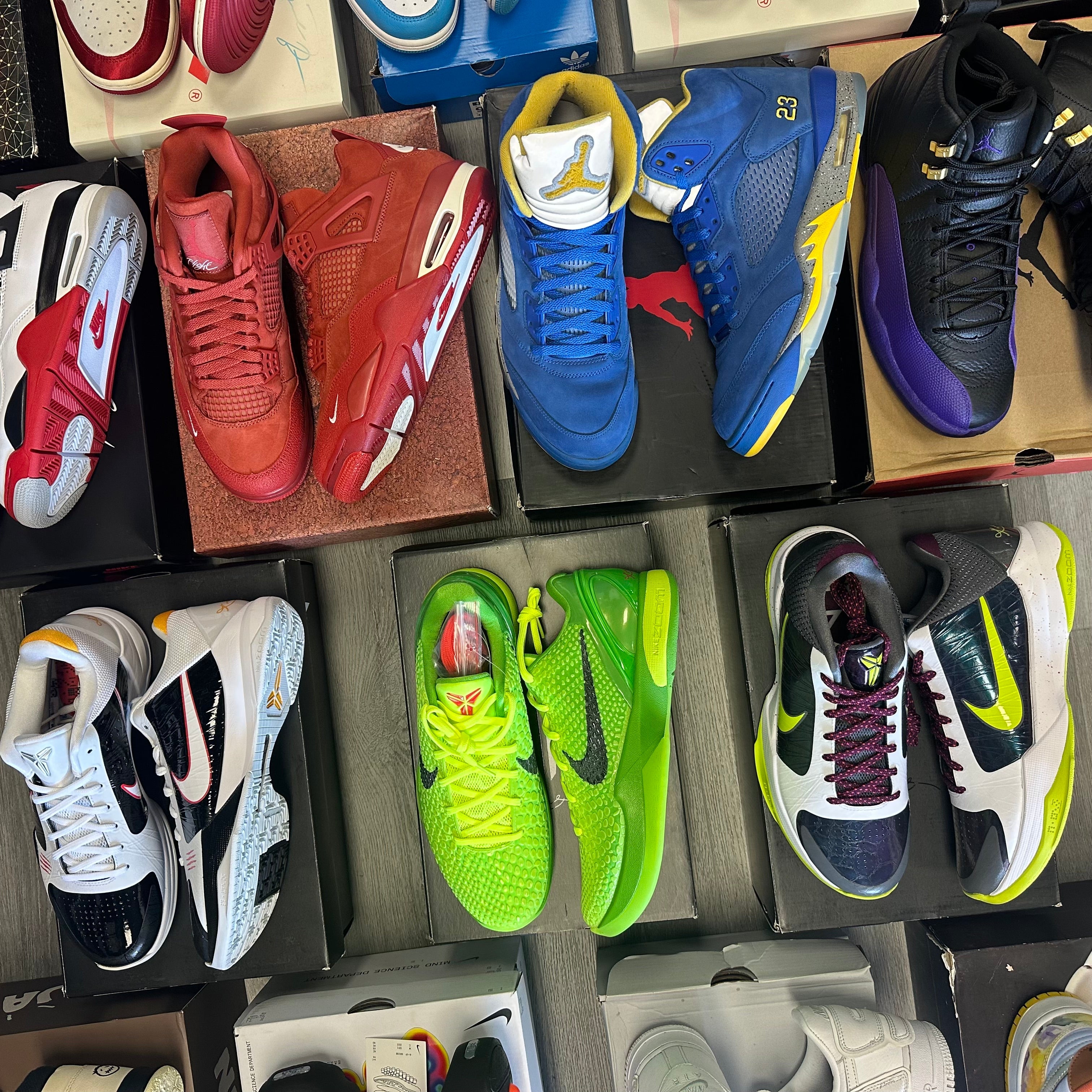
Certain shoes never fully disappear. Air Jordan 1s, Jordan 4s, Nike SB Dunks, Air Max models, and strong New Balance releases continue to have demand because they have history, wearability, and cultural relevance.
2. Buyers want wearable pairs again
The market is shifting away from random hype and back toward sneakers people actually want to wear. Clean colorways, versatile styles, and nostalgic retro releases are performing better than gimmicky drops.
3. Used sneakers and trade-ins are becoming more important
A major sign of a healthy sneaker market is activity beyond just brand-new pairs. More people are buying used sneakers, trading in shoes, and cashing out collections. That creates movement in the market and gives buyers more access to pairs at different price points.
4. Local sneaker stores still matter
As online competition grows, trusted local sneaker shops continue to play a huge role. Customers want legit checks, fair buy offers, trade opportunities, and a place where they can actually talk sneakers. That real-world connection keeps the market alive in a way apps alone cannot.
What Sneakers Are Performing Best Right Now?
The strongest categories in today’s sneaker market usually include:
-
Retro Jordans with strong colorways
-
Nike SB Dunks
-
Popular collaborations
-
Clean everyday sneakers with lifestyle appeal
-
Limited pairs in wearable sizes
-
Well-kept used sneakers with solid value
What is not performing as well? Random overproduced hype, weak colorways, and pairs that people only bought because they thought they would flip instantly.
That is one of the biggest reasons the market feels different now. The easy money is not everywhere anymore, but the demand is still there for the right shoes.
Is It a Good Time to Buy Sneakers?
For many buyers, this is actually a great time to buy.
Prices on a lot of pairs are more reasonable than they were during the peak of the resale boom. That means collectors and everyday wearers can grab sneakers they missed before without paying crazy premiums. If you have been waiting to pick up Jordans, Dunks, Kobe releases, or other sought-after pairs, the current market can offer better entry points than previous years.
A more stable sneaker market can be healthier for buyers because it rewards smart purchases instead of panic buying.
Is It a Good Time to Sell Sneakers?
It can be — especially if you are realistic.
If you have highly desirable pairs, good sizes, clean condition, or older releases that are getting harder to find, there is still strong demand. The key is understanding that today’s sneaker resale market rewards quality over quantity.
People selling sneakers should focus on:
-
Authenticity
-
Condition
-
Original box and accessories
-
Market timing
-
Realistic pricing
If you are trying to sell sneakers for cash or trade them toward another pair, working with a trusted sneaker store can make the process much easier.
What This Means for Sneaker Stores
For sneaker stores, the resurgence is not just about hype returning. It is about trust, service, and curation.
The shops that win in today’s market are the ones that do more than just list shoes. They help customers buy, sell, and trade confidently. They understand what pairs are moving locally. They build real relationships. They stock both heat and wearable everyday options. They make the experience fun again.
That is a big reason local sneaker stores continue to stay relevant even as the overall market shifts.
Final Thoughts: Is There a Resurgence in the Sneaker Market?
Yes — but it looks different than before.
The sneaker market in 2026 is not just about flipping every release for easy profit. It is about real demand, smart buying, selective selling, and stronger appreciation for the shoes that actually matter. In that sense, the sneaker market is absolutely seeing a resurgence.
For buyers, that means more opportunities to grab pairs they actually want. For sellers, it means good shoes still have value. And for sneaker stores, it means there is still huge opportunity for shops that know their market and serve their community well.
If you are looking to buy, sell, or trade sneakers, the market is still active — you just need to know what is moving.
Sneaker Stores, Survival Mode, and the Truth Nobody Posts